Understanding search intent is fundamental to creating content that meets users' needs and aligns with search engine algorithms. Search intent—also known as user intent—reflects the purpose behind a user's search, whether they are looking to learn, navigate to a specific website, make a purchase, or research products. Tailoring content to match these different intents is critical in achieving visibility and engagement in search results. By analysing the types of search intent and learning how to optimise for them, content creators can improve the relevance of their pages, meet user expectations, and boost search rankings. This guide provides a comprehensive look into search intent, offering insights on identifying intent, aligning content, analysing user behaviour, and leveraging tools to ensure that each page serves a clear purpose.
Search intent is the purpose or goals behind a user's online search, reflecting what they aim to find, learn, or accomplish, such as looking for information, purchasing, or finding a specific website.
Contents:
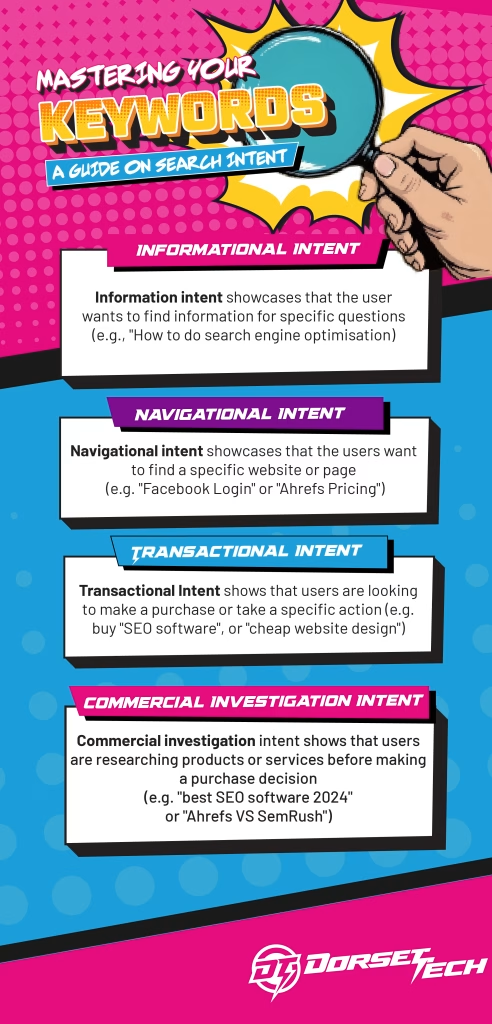
Information intent showcases that the user wants to find information for specific questions (e.g., "How to do search engine optimisation)
Navigational intent showcases that the users want to find a specific website or page (e.g. "Facebook Login" or "Ahrefs Pricing")
Transactional Intent shows that users are looking to make a purchase or take a specific action (e.g. buy "SEO software", or "cheap website design")
commercial investigation intent shows that users are researching products or services before making a purchase decision (e.g. "best SEO software 2024" or "Ahrefs VS SemRush")
Understanding and leveraging search intent is crucial for providing relevant answers to users and improving search rankings. Here's how you can match content types to the four main types of search intent:
For users seeking information, educational and comprehensive content is most effective. Common types of content include:
Users with navigational intent already know the brand, website, or specific page they want to visit. Content for navigational intent should be easy to find and should include:
Transactional intent indicates readiness to purchase or take an action, so content for this intent should be optimised for conversions and include:
Users who are researching before making a purchase respond well to content that helps them compare and evaluate options. Suitable content types include:
User Behaviour signals are signs showcasing how users interact with content on a webpage or in search results, providing valuable insights into whether a site meets their needs. These can include, click-through rate (CTR), dwell time, bounce rate, pogo-sticking, pages per session, conversion rate, and more. Search engines use these signals to determine factors like content relevance, quality, and user satisfaction.
A user's intent can shift based on seasonal trends, where they are in the buyer's journey, current events, and cultural shifts. Understanding how intent changes with trends allows content creators and marketers to adapt content strategies, ensuring that content remains relevant and engaging.
Search intents can be seen inside of the search engine results page (SERP) and analysing the layout and features of it for different search intents provides valuable insights. The SERP elements that appear as featured snippets, shopping ads, or video results- can reveal the dominant search intent behind a query.
When creating content, it's essential to focus on a single, clear search intent per page to avoid confusing users and search engines. Trying to satisfy multiple intents on one page can dilute the page's effectiveness, reduce relevance, and hinder rankings.
Incorporating search intent into content strategy is essential for maximizing relevance and search visibility. By focusing on a single, clear intent per page, aligning content with the user's needs, and adjusting for seasonal or trending shifts in intent, websites can create a better user experience and achieve higher rankings. Analysing user behaviour signals and SERP features further helps refine content to satisfy search intent precisely, allowing for more effective engagement and conversion. As search engines continue to prioritise user satisfaction, content that closely aligns with specific search intents will remain crucial in standing out and delivering real value to users.