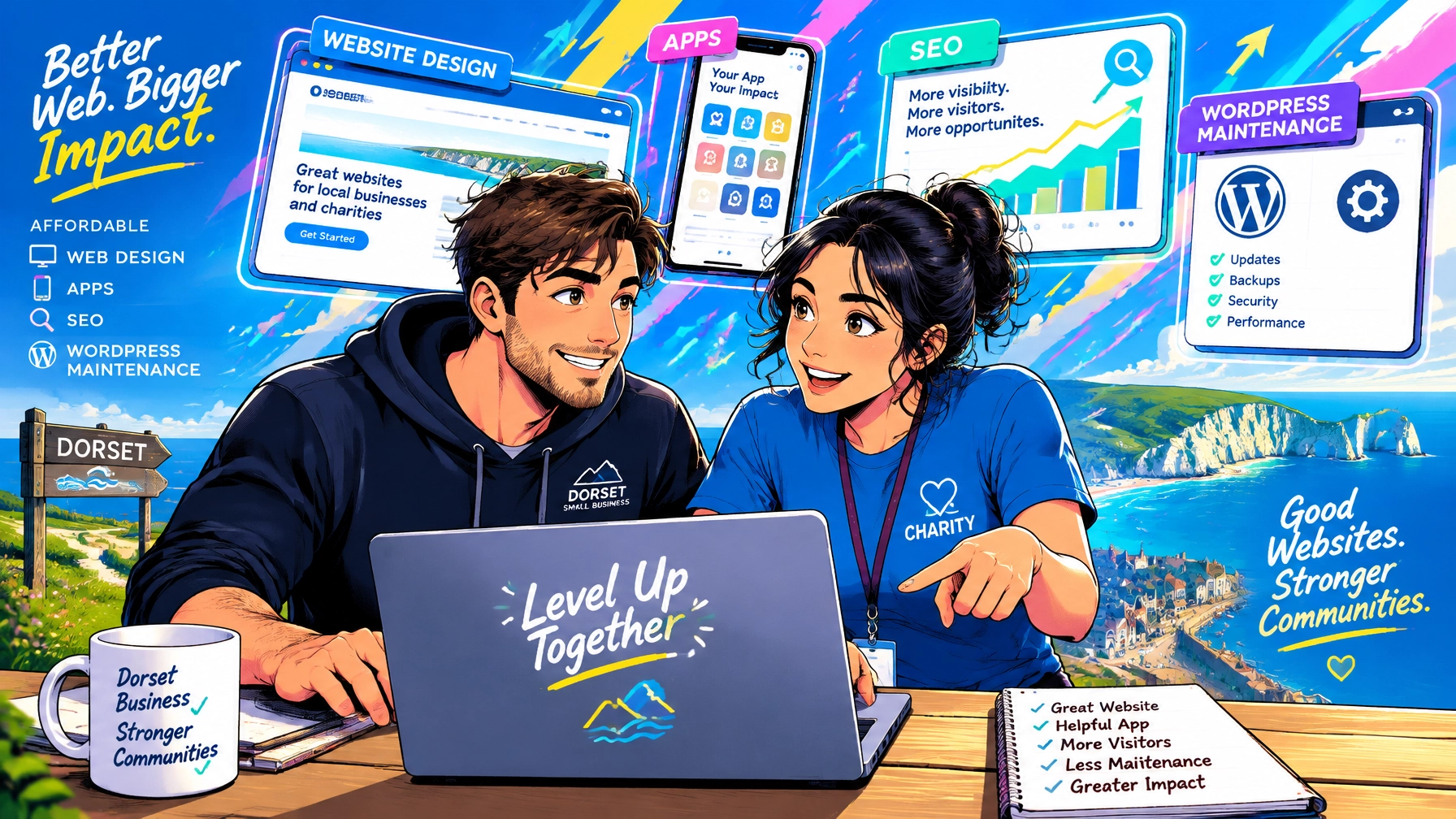
SEO is an intricate web of techniques, tools, software, and strategy, but in this series, we plan to break each section down for you so you can do it all for free. In this blog, we plan to break down the amazing range of free tools that we believe to be the best at helping you get those super SEO results.
So, Suit Up Because We Are About To Dive Into The Terminology.
Contents:
SEO is a vast marketing strategy, and one of the main things that puts people off is the number of fancy words that are used to describe things that are related to SEO. From the basics to the advanced techniques that are used in search engine optimisation, there is a wide range of things that we need to cover.
These are what we picked out to be the most important terminology for you to know when starting SEO, and these are also what we believe to be the most crucial, even if you're advanced.
The terminology of SEO is like your dictionary; it contains all the information regarding what each term is and what it means for your search engine optimisation strategy.
Search Engine Optimisation is the process of optimising your website to rank for keywords on the search engine results page.
Keywords are the words or phrases that people will search for using search engines. These are also the main things that search engines use to find the relevant resources to offer on the search engine results page.

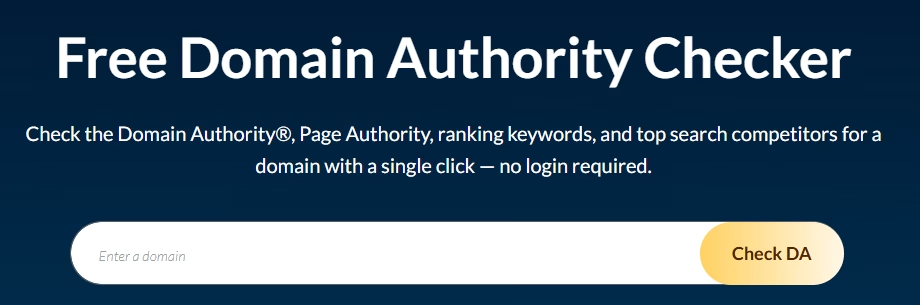
Domain Authority is a representation of how trustworthy search engines believe your site is. It's scored on a scale of 0-100, with 100 being the best. Domain Authority also affects how easy it is for you to rank for keywords.
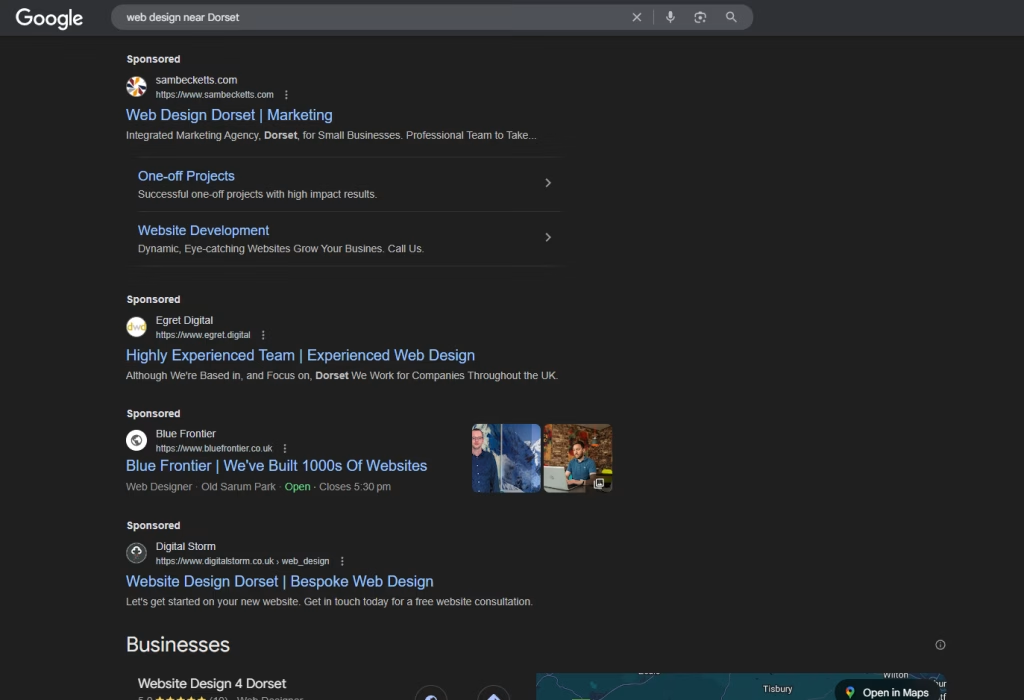
The Search Engine Results Page is the page that search engines present the results, and is the main focus of search engine optimisation.
Backlinks are links from other sites to yours. These help you gain more domain authority; think of each of these as a vote for your site.
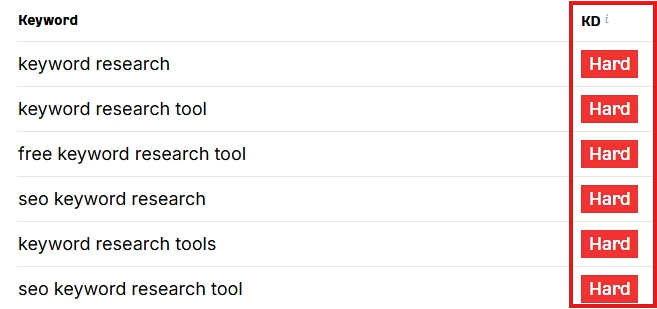
Keyword difficulty is a measurement of how difficult it would be to rank for a keyword. This uses the other websites that rank for that keyword and compares their domain authority to give you an estimate as to how hard it would be to rank for something. This score is from 0-100, with 100 being the hardest.
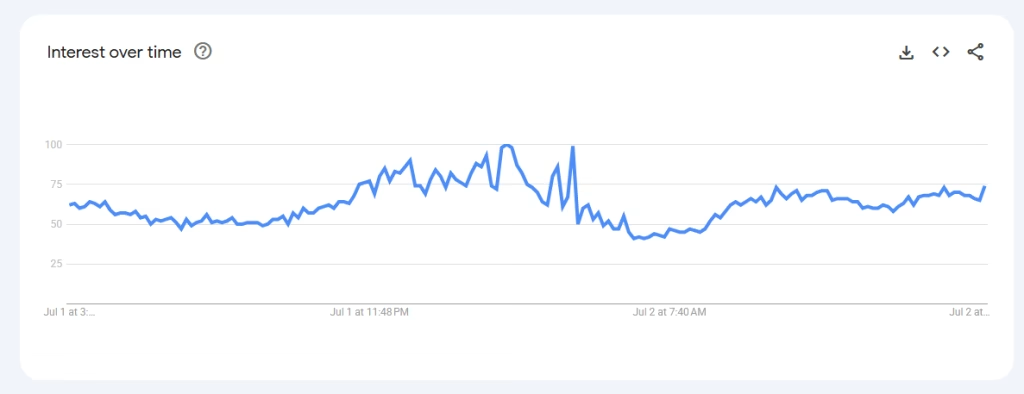
Search volume is the number of monthly searches that a single keyword gets. This, when combined with the keyword difficulty, can help you decide which keyword to go for.
When we say SEO competitors, we don't always mean your local competitors, where talking specifically about the companies that are fighting your site for positions on the Search Engine Results Page for keywords.
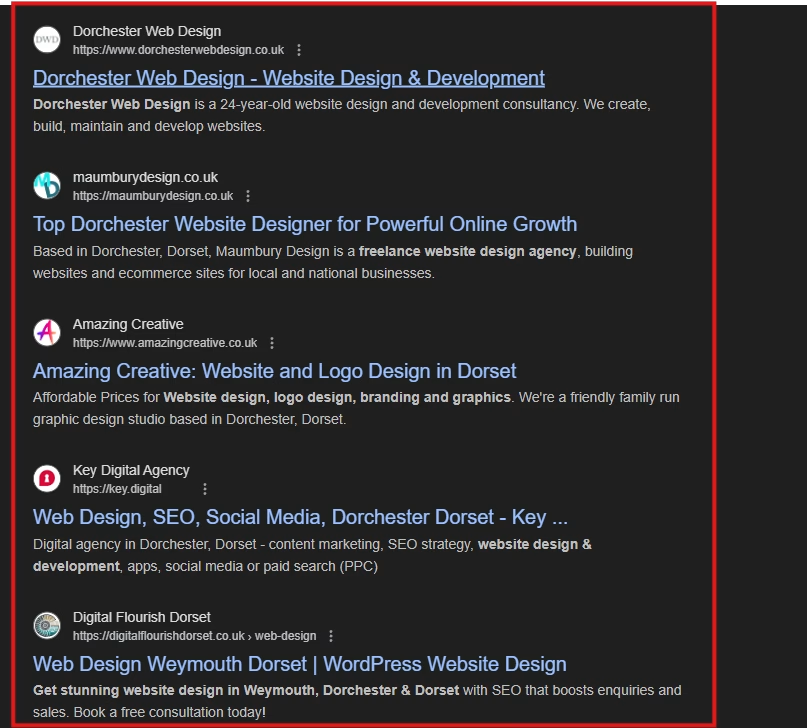
Click-through rate is the number of people who see your link in an email or on the search results page and click to visit your site. The higher your click rate, the more people who are interested in what you offer.

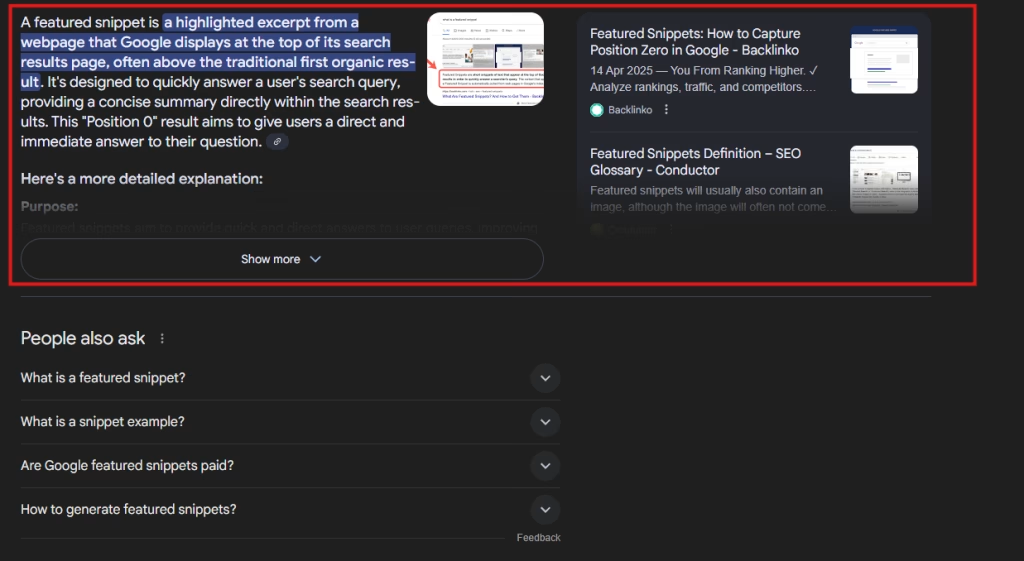
Position 0 is a place in the search engine results page that appears above the other organic search results and is normally taken by a featured snippet, which is a snippet from a piece of content that aims to answer the query.
On-page SEO refers to anything that is done on your website related to do with SEO. This can be optimising your content, creating pages, etc.
Off-page SEO is the act of doing anything outside of your website; this can include link building and guest blogging.
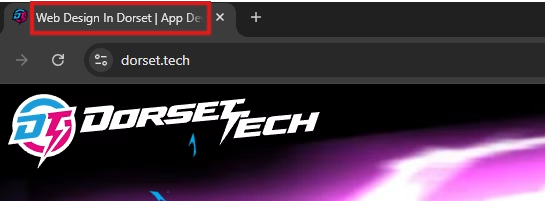
Metadata is structured information that describes and summarises the content of a webpage, including the meta description and meta title.
H tags are also called heading tags, and they refer to the hierarchy of headings on a page. There are 6 H tags in total, with H1 being the most important and H6 being the least important header in the game.

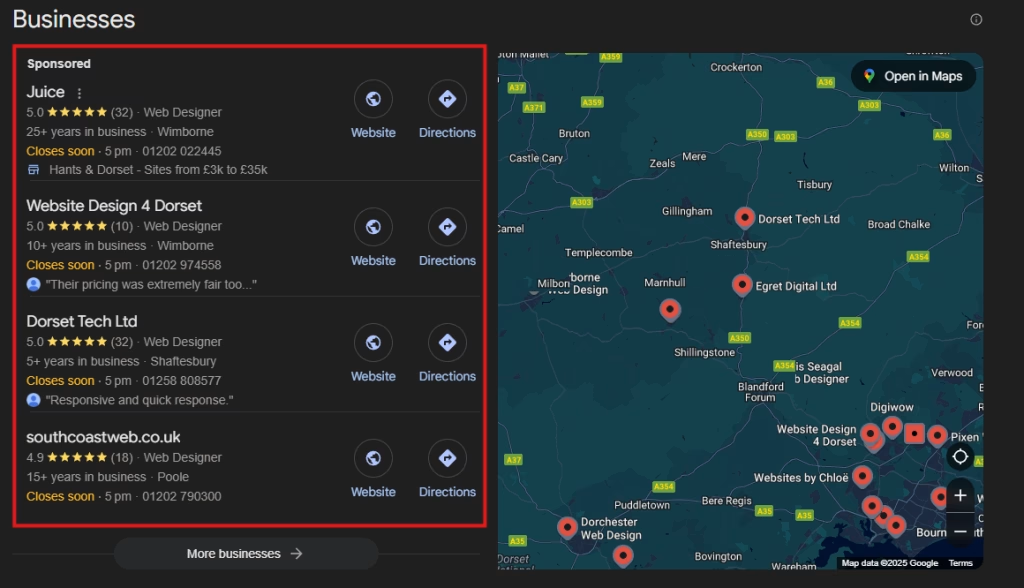
Local SEO refers to the act of optimising for your local area, and often includes Google My Business Page. This is one of the most effective ways to get your site ranking when starting SEO.
We’ve covered a lot in this blog, but now that we have all of the software set up, it’s time to start the actual SEO process. In the next episode, we’ll be diving head-first into keyword research, one of the key pillars of SEO.
So, stay tuned, Stay Super, and I'll see you in the next one!